

delabs circuits
Electronic Engineering Schematics
Binary and Hexadecimal System
Computers understand numbers and logic, as most are digital
computers. The Binary Hexadecimal System is the way the numbers
or logical commands are instructed to the computer. All input
devices or sensors must finally talk this language to the CPU,
and all outputs and actuators must be able to understand this
numbers to do their job. Electronics
Tutorial for Robotics
When you turn a tap, it is analog control. When you switch on
a light, it is like digital. Digital is High or Low, Yes or
No. In CMOS Logic it is like 5V and 0V. A Data Stream is made
of 1s and 0s.
Digital
to Analog with R2R Ladder Network
A bimetallic thermostat is like a simple mechanical computer.
Where the bimetal response is the sensor input, the contacts
are the output to actuator and the bimetal thermal behavior is
of the nature of intelligence. Similarly we have opamps which
can be real-time complex analog computers.
And the Living Being is like a biological robot, which has
all the things - a control systems, computers, sensors and
actuators, even probably a wireless network. :-)
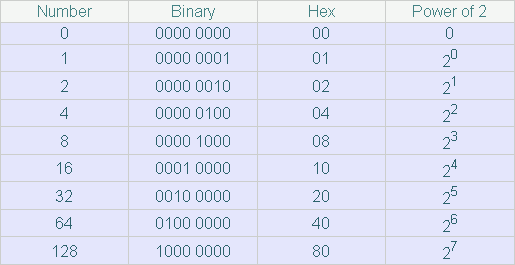
The Binary Computer
The Insides of a Computer is all digital and binary. Like the Bones, Nerves and Flesh. Your Embedded Project, the 8052, SBC, PIC Projects, AVR Boards are examples of devices that are based on this digital language unlike analog.
Digital Interface Basics
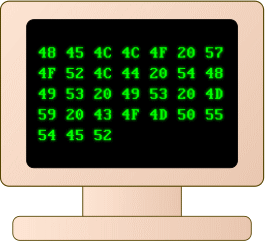
Termite Terminal - RS232 Interfacing
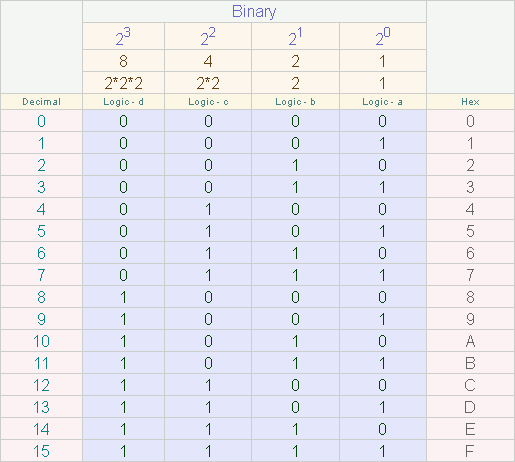
- Bit is 0 or 1 ... one digit ... 0 could be 0 volts and 1 five volts.
- Nibble is four bits, 4 digits, like 0010 , in hex a nibble is 0 to F.
- Byte is eight bits, 8 digits, like 1100 0010 , in hex 00 to FF.
- BCD binary coded decimal is binary code for numbers 0 to 9.
Back to Electronic Tables and
Charts
...
...
...
...
...
delabs Technologies
20th May 2020
...
The documents, software, tools and links are provided to enhance the ability of an electronics student, hobbyist or professional by sharing information. The information, links etc. should be used by the website visitor, at his or her own risk and responsibility. There may be concept, design and link errors in the pages.
Creative Work, ideas and documents of delabs can be used for Product Design and Development by R&D Engineers, Hobbyists, Students and even firms for creating useful products. These cannot be used for reprint, replication or publishing online or offline.